Tooth Extraction
Safe, pain-free tooth removal in Albury and Wodonga
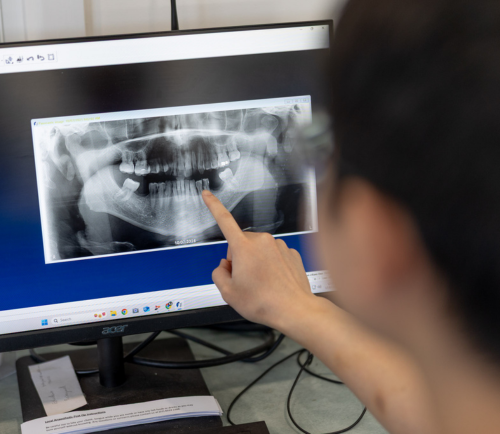
Here in Albury and Wodonga, as dentists, we want you to keep your teeth for as long as possible. But occasionally, extraction is the best choice. Fortunately, we can usually remove your teeth in the chair at our dental clinic safely, gently and without any pain.
Reasons for tooth extraction
You might need a tooth removed for several reasons, for example, you may have:
- a badly damaged or broken tooth
- crowded teeth (often before orthodontic treatment)
- a badly infected tooth
- severe gum disease
- compounding problems with the wisdom tooth
What is the process of tooth extraction?
- If you’re an anxious patient and would prefer to be sleepy during this procedure, we can provide you with happy gas so that you are deeply relaxed.
- Next, your dentist will inject a small amount of local anaesthetic to thoroughly numb the area, so you don’t feel any pain.
- Your dentist will then use a special tool to loosen the tooth gently, then remove it with forceps.
- Sometimes, if your gum requires cutting, your dentist may apply a stitch to the wound to keep the cut closed.
- That’s it. The procedure will be over in no time, without you feeling a thing.
What do I do after tooth extraction?
- You will need to follow your dentist’s instructions carefully after your tooth extraction procedure. There may be a tiny bit of bleeding, so usually, you will be asked to bite down on a piece of gauze to prevent further bleeding.
- Once the anaesthetic wears off, you may feel some pain, and your dentist may recommend over-the-counter medication or prescribe medication.
- Rest. Do not do any vigourous activity for the next 24 hours.
- Avoid smoking or drinking alcohol for 24 hours.
- Be careful when eating. An hour after extraction, you may eat or drink carefully using the other side of your mouth but avoid eating anything too cold or hot. Try not to move food around your mouth.
- For the next 3 to 5 days after the extraction, gently swish a warm saltwater solution around your mouth after eating meals and before bed.
Tooth Extraction FAQs
When is a tooth extraction needed?
A tooth may need to be removed if it is badly decayed, broken beyond repair, or infected. Extractions are also sometimes recommended if there is severe overcrowding or gum disease affecting tooth stability. Your dentist will always try to save the tooth first where possible.
Is tooth extraction painful?
No, the area is numbed with local anaesthetic before the procedure begins. You may feel pressure during the extraction, but not pain. Some soreness afterwards is normal and usually settles within a few days.
How long does healing take after a tooth extraction?
Initial healing usually takes a few days, while full recovery can take one to two weeks. The exact timeframe depends on the complexity of the extraction. Following aftercare instructions helps reduce discomfort and speed up healing.
What should I avoid after a tooth extraction?
You should avoid smoking, using straws and eating hard or crunchy foods for at least 24–48 hours. These actions can disturb the healing site and increase the risk of complications. Soft foods and gentle care are best during early healing.
What can I eat after a tooth extraction?
Soft, cool, or lukewarm foods are recommended for the first couple of days. Options like yoghurt, soup, mashed vegetables and smoothies work well. Avoid anything hot, spicy, or crunchy until the area settles.
What happens if I don’t replace a missing tooth?
Leaving a gap can cause surrounding teeth to shift over time. It can also affect your bite and lead to bone loss in the jaw. Your dentist can discuss replacement options if needed.
Book An Appointment
To find out more about our tooth removal process and recovery process, please don’t hesitate to contact us!
Our Preferred Providers
SJ Dental is a preferred provider for NIB.